Tree Removal in Miami: Signs a Tree Is Dying or Unsafe
Knowing the signs of a dying or unsafe tree can help Miami homeowners act before a limb or trunk falls. This guide covers the warning signs to watch for and explains when a tree removal service in Miami, FL, is the right next step. Early action often protects both people and property.
Why Spotting Problems Early Matters in Miami
Tree problems often grow quietly for months before they cause damage. Miami adds extra stress through tropical storms, heavy rain, and soft, wet soil. A tree that looks fine in May can fail in a hurricane season gust.
Checking your trees a few times a year is a simple habit. It helps you catch trouble while you still have choices.
If something looks wrong, a tree removal service in Miami, FL, can inspect the tree and explain your options. Removal is not always the answer, but a professional opinion helps you decide with confidence.
Signs a Tree May Be Dying
A dying tree usually sends clear signals through its leaves, bark, and branches. Look for the following signs.
- Dead limbs: Bare, brittle branches in an otherwise leafy crown.
- Thinning canopy: Fewer leaves or fronds than the tree had last year.
- Peeling or falling bark: Large patches that expose bare wood underneath.
- Mushrooms or conks: Fungal growth at the base or on the trunk, which often points to decay inside.
- Pests: Small holes, sawdust-like debris, or sticky residue on the trunk.
One sign alone does not always mean the tree is lost. Several signs together deserve a closer look.
Signs a Tree May Be Unsafe
A tree can look healthy and still be unsafe if its structure is weak. Structure matters more than leaves when it comes to falling.
Cracks and Splits
Deep cracks in the trunk or where branches join the trunk may mean the wood is failing. A V-shaped fork with two trunks of equal size can split apart in strong wind.
Leaning Trunks
A slow, long-standing lean is often normal. A sudden lean, or one that appears after a storm, is a bigger concern. Look for soil that has lifted or cracked on the side opposite the lean.
Root Problems
Raised soil, exposed roots, or a trunk that rocks in the ground can signal root failure. Roots hold the whole tree, so damage here often leads to a fall.
Hollow Areas and Cavities
Large holes or soft, spongy wood may mean decay has hollowed out the trunk. Even a thick trunk can fail if the inside is weak.
How to Decide Between a Risk Assessment and Removal
A risk assessment tells you how likely a tree is to fail, and removal solves the problem when the risk is too high. These are two different steps. Many homeowners need the first before they decide on the second.
A certified arborist with the ISA Tree Risk Assessment Qualification, known as TRAQ, can inspect the tree and assign a risk rating. The rating considers the tree condition and what is nearby, such as a roof, driveway, or play area. You can learn more about tree risk assessments before booking one.
Removal may be the best choice when a tree is dead, severely decayed, or leaning toward a structure with no way to fix the problem. In other cases, pruning, cabling, or monitoring may be enough.
What Happens During a Professional Tree Removal
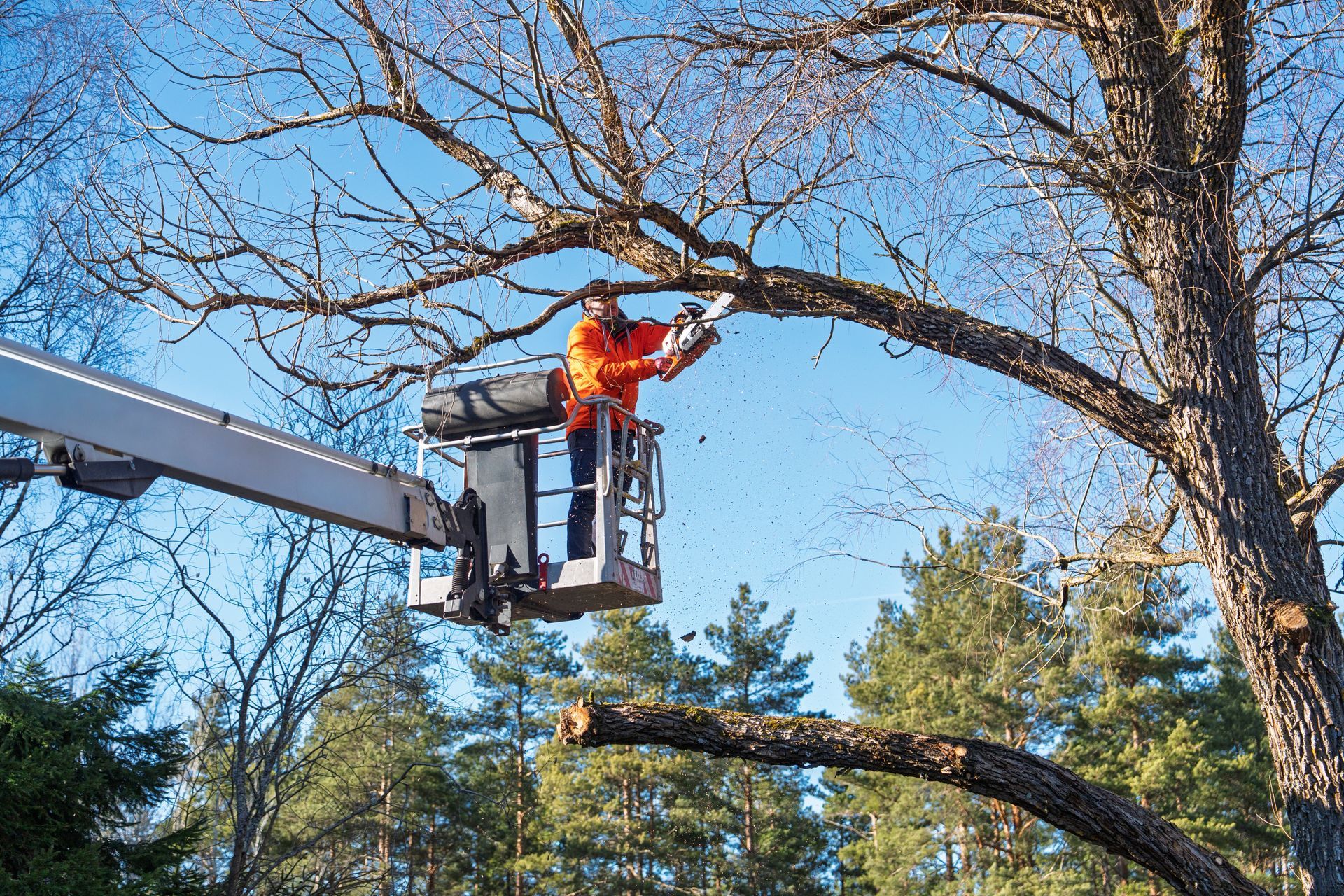
A professional removal follows a plan, and the plan starts before any cutting. The crew checks the lean, the roots, nearby wires, and every place the tree could land. Large trees are often taken down in sections and lowered by rope so they do not hit your home.
Afterward, a good tree removal service hauls away the wood and leaves the yard clean. Some companies can also grind the stump, which keeps pests and decay from spreading.
What to Know Before You Remove a Tree in Miami
Planning matters because Miami-Dade County may require a permit for certain protected species. A certified arborist can help you identify whether your tree is protected. Skipping this step can create legal and financial problems later.
Choosing a tree removal service in Miami is easier with a short checklist. Use these questions when you compare companies.
- Ask whether the lead arborist holds an ISA certification.
- Confirm the crew carries insurance.
- Request a written, free quote after an on-site visit.
- Ask who handles cleanup and debris hauling.
How Do I Know if a Tree Needs to Be Removed?
A tree usually needs removal when it is dead, badly decayed, or leaning in a way that threatens a structure. When you are unsure, a risk assessment can confirm the answer with a written rating.
What Are the First Signs of a Dying Tree?
Early signs often include dead branches, fewer leaves, and fungus at the base. These signs may appear slowly, so photos taken every few months can help you spot changes.
Talk to a Certified Arborist in Miami
Spotting the signs is the first step, and getting expert advice is the second. Moore Management Solutions is a tree removal service in Miami, FL, and a family-owned company led by Mark Moore, ISA Certified Arborist #FL-9818A, with more than 15 years of experience in South Florida.
If you are worried about a tree on your property, call
(305) 323-6444 or
request a free quote. You can also read about our
tree removal process to see what to expect.
Recent Posts