Palm Tree Trimming in Miami: What Is Safe to Cut and What Is Not
Palm tree trimming is different from trimming other trees, and a tree trimming service in Miami, FL, should treat it that way. This guide explains which parts of a palm are safe to cut, which parts are not, and when to call a professional. It uses plain steps so Miami homeowners can make safer choices.
Why Palms Need Different Care Than Other Trees
Palms grow from a single center point, so one wrong cut can hurt the whole tree. Most trees can sprout new branches after pruning, but most palms cannot. Their growing tip, called the bud, makes every new frond.
If that bud is cut or damaged, the palm often dies. This is why a trusted palm care professional in Miami pays close attention to where each cut is made.
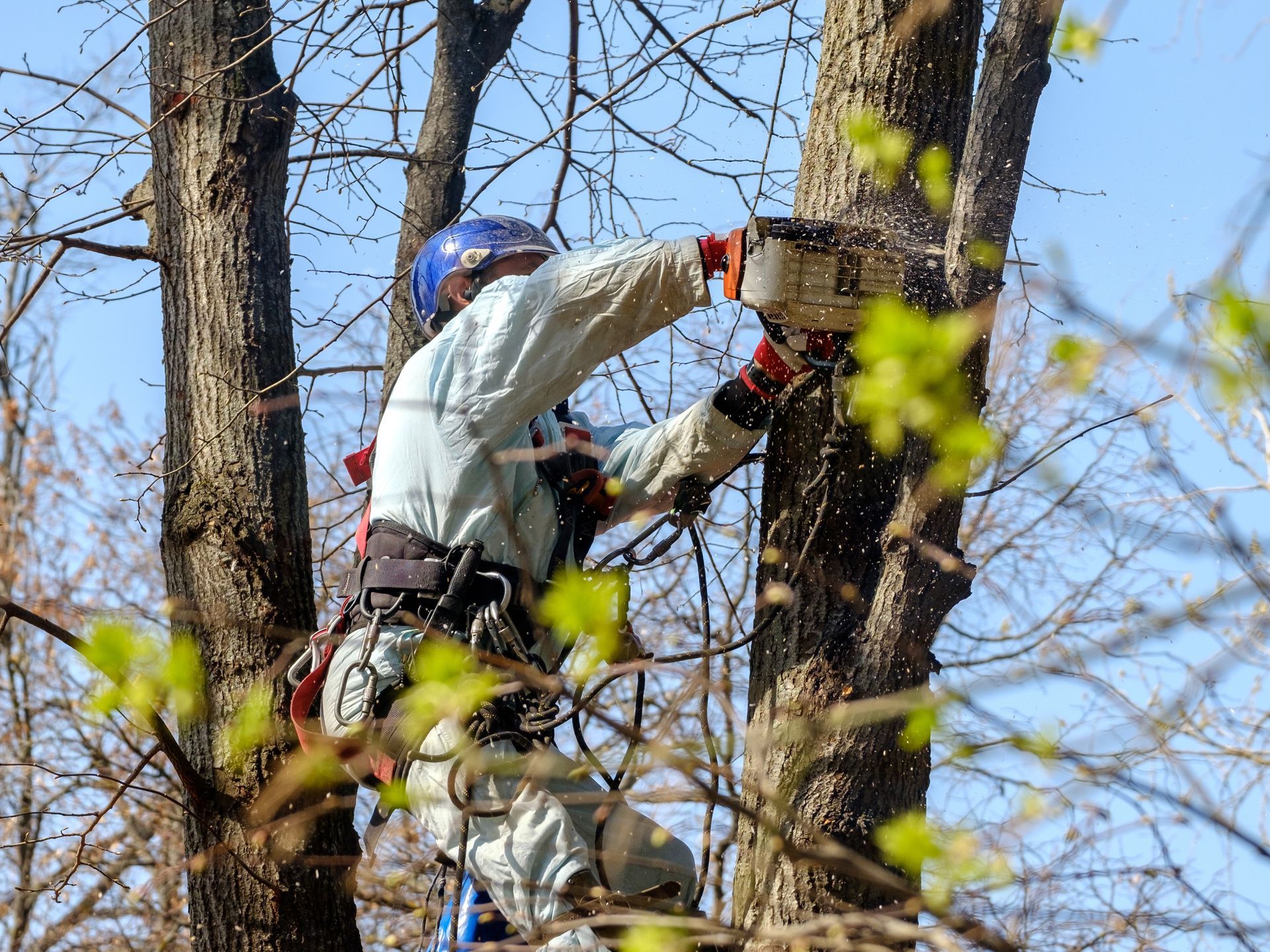
Hiring a tree trimming service that understands palm biology can save you from costly mistakes. Ask how the crew climbs, which fronds they remove, and how they protect the bud. A clear answer is a good sign.
Common Palms in Miami Yards
Miami yards often include coconut palms, royal palms, queen palms, and sabal palms. Each one grows at a different speed and drops different debris.
- Coconut palms: These drop heavy fronds and fruit clusters that may damage cars and roofs.
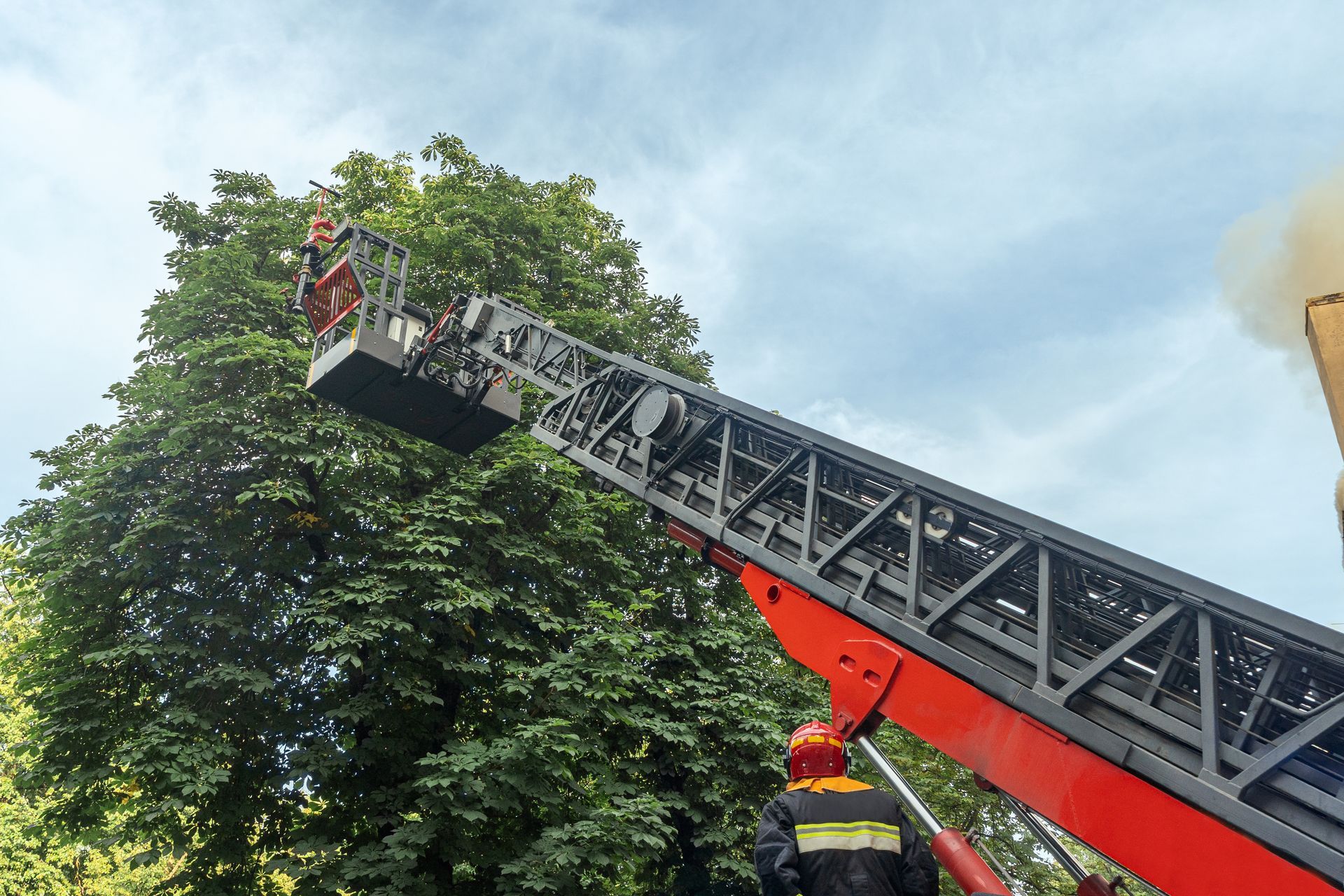
- Royal palms: These grow very tall, so trimming often requires specialized equipment.
- Queen palms: These may need yearly trimming to remove dead fronds.
- Sabal palms:
These are hardy, but they can still be harmed by over-trimming.
What Is Safe to Cut on a Palm
Only dead, dying, or hanging fronds are generally safe to remove. A frond that is fully brown and drooping is no longer helping the tree. Removing it keeps it from falling on people or property.
You can also remove old flower stalks and seed clusters. These may become heavy and break off in wind. When you cut, leave a short stub rather than slicing flush against the trunk.
Fronds That Are Usually Safe to Remove
- Fully brown or dead fronds.
- Fronds that hang straight down along the trunk.
- Broken fronds that have snapped and are dangling.
- Old fruit or seed clusters that are ready to drop.
What Is Not Safe to Cut on a Palm
Green, healthy fronds should stay on the tree. Palms use them to make food, and removing too many weakens the palm. Cutting a palm into a tight, round shape, sometimes called a hurricane cut, can leave it thin and stressed.
Never cut into the trunk or the bud at the top. Avoid using climbing spikes on a palm you want to keep, because they leave wounds that invite disease and insects. A certified arborist uses safer climbing and rigging methods.
Signs You Have Over-Trimmed a Palm
An over-trimmed palm often shows its stress slowly. Watch for these warning signs after a trim.
- The crown looks small, thin, or sparse.
- New fronds come in short or pale.
- The trunk narrows near the top, which looks like a sharpened pencil.
- Fronds turn yellow or brown soon after trimming.
If you notice these signs, stop trimming and ask an arborist to inspect the tree. Recovery can take months, and some palms never fully return.
Palm Trimming and Hurricane Season in Miami
Trimming before hurricane season should be light, not heavy. Removing dead fronds and heavy fruit clusters reduces flying debris, but cutting healthy green fronds does not make a palm safer. It can leave the tree weaker when the wind arrives.
A tree trimming service in Miami, FL, can help you decide what each palm truly needs before the season starts on June 1. Many homeowners schedule a palm check each spring so the work is done well before storms form.
How Often Should Palms Be Trimmed in Miami?
Most palms need trimming about once a year. Fast-growing or tall palms may need a check more often, especially before hurricane season. Dead fronds can become flying objects in strong wind, so removing them early may help protect your home.
When Should I Call a Professional for Palm Trimming?
Call a professional when the palm is taller than you can safely reach from the ground. Also call when fronds are near power lines, roofs, or neighbors' property. Ladders and chainsaws can cause serious injuries.
How Can I Tell if a Palm Is Sick and Not Just Overgrown?
A sick palm often has yellowing fronds, a leaning trunk, or a bud that looks soft or discolored. These signs may point to disease, pests, or root damage. An arborist can identify the cause and suggest the next step.
Get Expert Palm Care From Moore Management Solutions
Good palm care starts with knowing what to leave alone. Moore Management Solutions is a tree trimming service in Miami, FL, that provides certified arborist care, led by Mark Moore, ISA Certified Arborist #FL-9818A. The family-owned team has served South Florida for more than 15 years and treats each palm as its own case.
Ready to schedule? Call
(305) 323-6444
or
request a free quote. You can also learn more about our
tree trimming and pruning
services.
Recent Posts